
Loading...
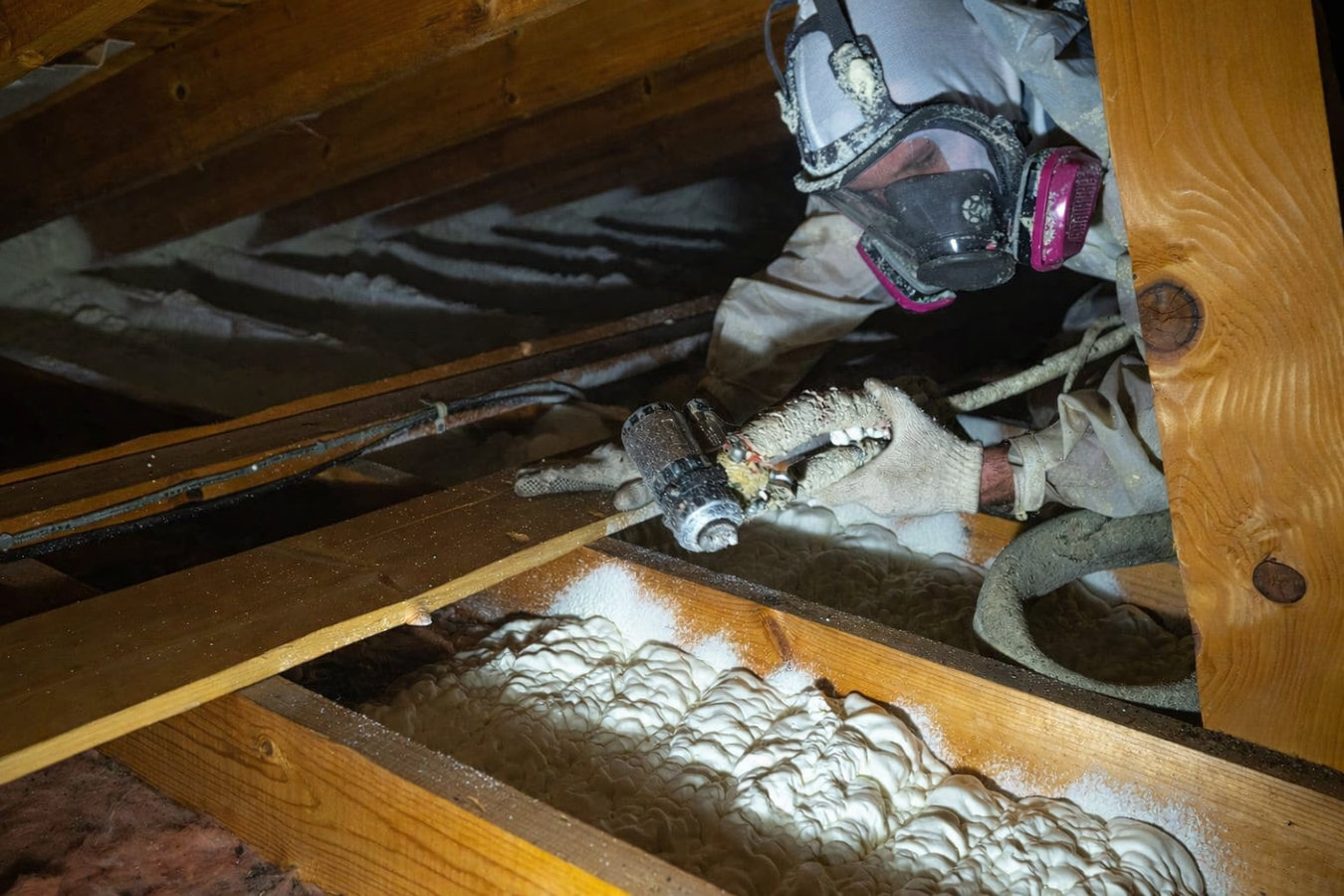
Warm air escaping through your attic floor drives up your heating bill and causes ice dams. We seal every gap so your furnace runs less and your home stays comfortable.
Warm air escaping through your attic floor drives up your heating bill and causes ice dams. We seal every gap so your furnace runs less and your home stays comfortable.
Attic air sealing in Mandan, ND means finding and closing the gaps in your attic floor that let warm air escape and cold air rush in - most jobs take two to six hours and require no major disruption to your home. A contractor works from inside your attic, sealing openings around light fixtures, plumbing pipes, wiring, and wall cavities with spray foam and caulk.
Most homeowners are surprised by how many gaps are hiding up there. In a Mandan home built before the 1980s, these openings were simply never sealed during original construction - and decades of settling, added wiring, and plumbing work have created more. Heat rises, which means your attic floor is where the most conditioned air leaves your home in winter. Sealing those gaps first, before adding more insulation, is the sequence that actually works. Pairing attic air sealing with air sealing services for the rest of your home gives you a complete picture of where your heating dollars are going.
The result you notice is a furnace that runs less, rooms that stay warm, and no more watching ice dams build up along your roof edge each January.
If your gas or electric bill has been creeping up year over year but your habits have not changed, air leakage through the attic floor is one of the most common culprits. In Mandan's long winters, a leaky attic forces your furnace to run significantly longer than it should. This is one of the clearest signals that warm air is disappearing somewhere it should not be.
Ice dams - those thick ridges of ice along your roof edge after a snowfall - are a reliable sign that warm air is leaking into your attic and warming the roof from the inside. This is a common problem in Mandan, where heavy snow and sustained cold create the right conditions. If you have seen ice dams more than once, your attic floor almost certainly has significant air gaps.
If bedrooms near the ceiling feel noticeably colder than the main floor on cold days, cold air from the attic is settling in through gaps around light fixtures or wall tops. This is especially common in older Mandan homes where original construction left many small openings unsealed. The problem often gets worse over years as gaps widen from freeze-thaw movement.
Stand near your attic access panel on a cold day and hold your hand near the edges. If you feel cold air coming through, or if you can see light around the frame, that hatch is a significant air leak. This is one of the easiest signs to check yourself - and if the hatch is leaking, there are almost certainly more gaps deeper in the attic.
Attic air sealing is a systematic process, not a quick spray of foam in a few spots. We go through your attic methodically, sealing every gap we find - around recessed light cans, plumbing stacks, electrical wiring, chimney chases, interior partition wall tops, and the attic hatch itself. We use spray foam for larger openings and acoustical caulk for smaller cracks, matching the material to the gap based on size and movement. For homes where air leakage is widespread, we also recommend pairing this work with retrofit insulation to address both air movement and heat transfer in the same visit.
We also address the attic hatch - one of the most commonly overlooked leaks in the whole house. A bare attic hatch with no weatherstripping or insulation backing can lose as much heat as a small open window. Sealing and insulating the hatch is a quick addition that makes a real difference. If your home also needs broader air sealing work beyond the attic, we coordinate that under the same visit so you avoid paying for two separate mobilizations. Our broader air sealing services cover the whole envelope, from rim joists to wall penetrations, when the scope calls for it.
Best for homes with high heating bills or ice dams where the attic floor is the primary source of air leakage. Covers all pipes, wires, light fixtures, and wall tops.
Suited to any home where the attic hatch is uninsulated or unsealed. A fast addition that eliminates one of the most significant heat loss points in many older homes.
The right approach for homes that need both. Sealing the gaps first and then adding insulation delivers better results than insulation alone - and doing both in one visit saves money.
Ideal for older Mandan homes where leakage is widespread. Includes the attic floor alongside basement rim joists, crawl space, and wall penetrations in one coordinated project.
Mandan sits in a climate zone where winter temperatures regularly drop below zero and the heating season runs from October through April. In that kind of cold, even small gaps in your attic floor act like open vents - warm air pours out and frigid outside air rushes in. The payoff from sealing those gaps is larger here than it would be almost anywhere milder. A significant portion of Mandan homes were built in the mid-20th century, when air sealing was simply not part of how houses were built. Decades of settling, added wiring, and plumbing changes have widened those original openings further. If your home is more than 30 or 40 years old, there is a strong chance it has never had a proper attic air sealing job. Homeowners in Bismarck and across the region face the same issue with older housing stock.
Ice dams are another reason this work is especially relevant here. When warm air leaks from your living space into the attic, it warms the roof deck, melts snow, and the meltwater refreezes at the cold eaves - creating the ice dams that damage gutters and leak into walls. Sealing the attic floor is one of the most effective ways to prevent ice dams from forming in the first place. Homeowners in Lincoln and nearby communities deal with the same freeze-thaw conditions, and the same solution applies. The U.S. Department of Energy consistently identifies attic air sealing as the highest-return air sealing project in cold-climate homes - because heat rises, and the attic is where the most conditioned air escapes.
Tell us your address, the age of your home, and what prompted you to reach out. We respond within one business day and will give you a rough sense of scope before anyone visits. You do not need to know anything technical to start this conversation.
A contractor visits your home and goes into the attic to check how much existing insulation is there, where the obvious gaps are, and how accessible the space is. Some jobs include a blower door test - a temporary fan that measures how airtight your home is overall. This visit usually takes 30 to 60 minutes.
After the assessment you receive a written estimate describing what work will be done and what it will cost - in plain terms, not trade jargon. Ask about utility rebates and the federal tax credit at this stage. A trustworthy contractor welcomes questions before you sign anything.
The crew works in the attic for two to six hours, sealing every gap they find. Before leaving, they walk you through what was found and what was sealed. You can stay home throughout. Ventilate briefly after if spray foam was used - any mild odor clears within a few hours.
Free estimate, written quote, no pressure. We respond within one business day.
(701) 291-0855A thorough attic air sealing job covers every pipe, wire, light fixture, and wall cavity opening that passes through the attic floor - not just the easy-to-reach spots. We document what we find and walk you through it before we leave, so you know exactly what changed in your home.
Mandan's mix of mid-century ranch homes and newer subdivisions means the work looks different depending on when your house was built. We have sealed attics in homes across the area and understand where the gaps are most likely to be hiding in each type of construction.
The ENERGY STAR federal tax credit and North Dakota Weatherization Assistance Program can both offset the cost of this work. We make sure you know what you qualify for and what paperwork to keep before the job starts - most homeowners do not know to ask.
Once the foam sets and the crew packs up, you can use your home completely normally. There is no waiting period, no off-limits area, and nothing to check on afterward. We clean up before we leave and give you a clear summary of what was done.
Attic air sealing is invisible work - you will never see the foam and caulk we apply up there. What you will notice is a furnace that does not run as hard, rooms that hold their temperature, and a heating bill that actually reflects what you are using.
Add insulation to your existing attic or walls without major renovation - the natural next step after attic air sealing.
Learn MoreWhole-home air sealing covering the attic, basement rim joists, crawl space, and wall penetrations in one scope of work.
Learn MoreMandan's heating season starts early - book now and have your attic sealed before the first hard freeze.