
Loading...
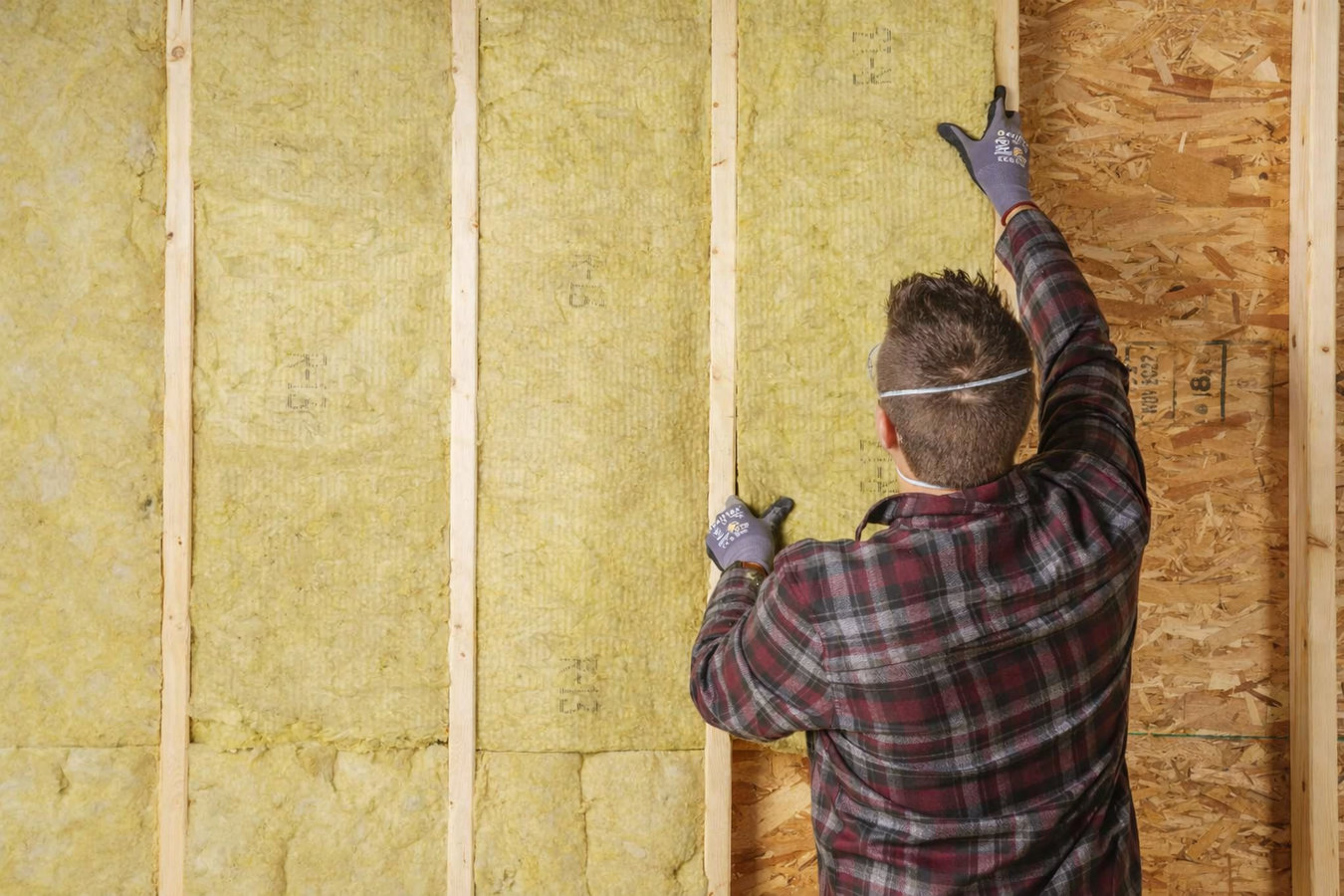
Under-insulated walls force your furnace to run constantly. We fill every wall cavity completely so your home holds heat the way it should through a Mandan winter.
Under-insulated walls force your furnace to run constantly. We fill every wall cavity completely so your home holds heat the way it should through a Mandan winter.
Wall insulation in Mandan, ND slows heat from moving through your exterior walls - keeping warmth inside during winter and blocking heat in summer - and most jobs on a standard single-family home are completed in one to two days with minimal disruption to your daily routine.
If your home was built before the 1980s, there is a real chance your walls have little or no insulation in them. That was simply how homes were built at the time - not a flaw, just an older standard. The result is a furnace that runs almost constantly from November through March and energy bills that feel out of proportion to the size of your home. Wall insulation in Mandan fixes that at the source. Many homeowners pair it with air sealing services to get the most out of both improvements.
The good news is that adding wall insulation to an existing home usually does not require tearing open every wall. Most jobs involve drilling small holes, blowing in insulation material, and patching the holes when the work is done - leaving your home looking like the job never happened.
If your furnace runs almost constantly from November through March and your energy bills feel too high for your home's size, under-insulated walls are a likely cause. In Mandan's climate, a home with poor wall insulation loses heat so fast that no furnace can fully keep up. This is one of the clearest financial signals that something is wrong with your home's envelope.
Hold your hand a few inches from an exterior wall on a cold January morning. If you feel a noticeable chill - or the wall feels cold to the touch - heat is escaping faster than it should. This is especially common in Mandan homes built before the 1980s, where wall cavities may be empty or filled with degraded original material.
If certain rooms consistently feel colder in winter no matter how high you set the thermostat, those walls may have less insulation than the rest of the house. North and west-facing walls take the brunt of Mandan's prevailing winter winds, so any gap in coverage shows up first in those rooms.
When warm indoor air meets a very cold wall surface, moisture can condense - and in extreme cases, frost can form on the inside of exterior walls. This is a sign that the wall is not insulated well enough to keep its interior surface above the dew point. Left unaddressed, that moisture can lead to mold or structural damage over time.
The right approach for your walls depends on your home's age, construction, and how you want the work done. For most existing homes in Mandan, dense-pack blown-in insulation is the most practical choice - it fills wall cavities completely through small drilled holes without requiring major demolition. If you are dealing with a specific area where both insulation and air sealing are priorities, we can also use air sealing services in combination to close gaps at the same time.
Homes being renovated with walls already open have more options, including batt insulation fitted between studs before new drywall goes up. If you are tackling a larger project - perhaps updating an older home top to bottom - we can coordinate wall work alongside blown-in insulation for attics and other areas to get your whole home performing better at once. We walk every homeowner through what we recommend and why before any work begins.
Best for existing homes where you want full cavity coverage without opening walls. Insulation is blown in through small holes that are patched when done.
Suited to homes undergoing renovation with walls already open. Pre-cut batts are fitted between studs before new drywall is installed.
Ideal for specific areas needing both insulation and air sealing at once - around penetrations, rim joists, and hard-to-reach corners.
Works well for whole-home upgrades - pairing wall insulation with attic and crawl space work to address the entire building envelope in one project.
Mandan sits in one of the coldest climate zones in the continental United States. Average January lows regularly drop below 0 degrees, and wind chills push temperatures far lower. That sustained cold puts enormous pressure on under-insulated walls - your furnace runs almost constantly trying to compensate, and the gap between adequate insulation and poor insulation is much larger here than it would be in a milder climate. Homes built before the 1980s are especially vulnerable because they were often built with little to no wall insulation by today's standards. Freeze-thaw cycles between seasons also cause building materials to expand and contract, which can open new gaps in wall assemblies over time - making a home that was adequate years ago less effective today.
We work throughout the Mandan area and surrounding communities. Homeowners in Bismarck, ND deal with the same cold-climate demands and older housing stock as their neighbors across the river, and we see many of the same wall conditions - empty cavities, settled original material, and walls on the north and west sides that get the worst of the prevailing wind. In Lincoln, ND as well, newer construction sometimes has its own gaps that are worth addressing before a first hard winter reveals them. Wherever your home is, the goal is the same: walls that hold heat without making your furnace work overtime.
Reach out by phone or through our contact form and we will respond within one business day. We will ask a few basic questions about your home's age and what is prompting your call so we can come prepared with the right equipment.
We walk through your home, check what is currently inside your wall cavities, and explain exactly what we recommend and why. You receive a written estimate before any work begins - no surprises on the bill.
The crew drills small holes, blows insulation into each wall cavity, and works systematically around the home. Most homeowners stay in the house during this process. A typical single-family home is done in one to two days.
Holes are patched and matched to your siding or drywall. Before leaving, we verify coverage and hand you written documentation of what was installed - the type, coverage area, and performance level - so you have proof, not just a promise.
Free estimate, no obligation. We will check what is in your walls and give you a straight answer about what it will cost to fix.
(701) 291-0855Every cavity gets checked before we seal the holes - not just assumed to be full. This step is what separates a job you can trust from one you are left hoping was done right. You walk away with written documentation of what was installed.
We work specifically in the Mandan and Bismarck area, where January temperatures regularly drop well below zero. We understand the wall conditions common in older local homes and recommend materials and methods suited to this climate - not a generic approach borrowed from a milder market. The U.S. Department of Energy recommends R-13 to R-21 for walls in North Dakota's climate zone - we meet that standard on every job.
We give you a written estimate before any work begins and explain what is driving the cost. No line items that appear on the final invoice without warning. If something changes during the job, we tell you before we proceed.
We are a local business rooted in the Mandan community - not a franchise or a crew passing through. We have worked on homes from the older ranch-style neighborhoods near downtown to the newer subdivisions on the west side of town, and we stand behind every job we do.
When you hire Mandan Insulation, you are working with a team that knows this climate, knows this housing stock, and treats every project like it is the one that will determine whether you call us again. That combination of local knowledge and honest work is what keeps Mandan homeowners calling us back.
Closing gaps around pipes, wires, and framing that let cold air pour into your home - pairs directly with wall insulation for maximum impact.
Learn MoreLoose-fill insulation for attics and other cavities where full coverage without demolition is the priority.
Learn MoreContractors book up fast once temperatures start dropping - schedule your free estimate now and head into winter with a home that holds heat.