
Loading...
Mandan Insulation installs vapor barriers in crawl spaces and basements throughout Mandan, ND. A properly installed barrier stops soil moisture from rising into your floor joists, subfloor, and insulation - protecting your home from the inside out. We respond within one business day and provide written quotes before any work begins.
If certain spots on your first floor feel noticeably colder than others during a Mandan winter, or if the floor has any give or bounce to it, moisture may have been working on the wood underneath for some time. Cold floors in a home with a crawl space are often a sign that the space below is not properly sealed.
A damp, earthy smell coming from your floors or lower walls - particularly in March and April when Mandan's frozen ground starts releasing moisture - is one of the clearest signs that your crawl space is letting moisture in. That smell often means mold or mildew is starting to grow somewhere you cannot see.
If you have ever looked into your crawl space and seen water droplets on pipes, wet insulation hanging down, or standing water on the ground, your home needs a vapor barrier - and possibly some drainage work too. These are not minor issues; they mean moisture is actively moving through the space.
If your home was built before the 1980s and you have no record of a vapor barrier being installed, the crawl space floor is almost certainly bare dirt. Decades of exposure means moisture has had a long time to affect your floor joists. Even without obvious symptoms, getting a barrier installed protects your most significant investment.
A vapor barrier is a sheet of plastic or foil-like material installed in your crawl space or basement to stop moisture from the ground from rising up into your home. Without it, that moisture can silently soak into your floor joists, insulation, and walls over months and years. Think of it as a raincoat for the underside of your house.
Most vapor barriers go on the floor of a crawl space, laid directly over the bare dirt or gravel. In some homes, they also run up the foundation walls a foot or two to catch moisture that seeps in from the sides. The goal is to cover every inch of exposed ground so there is no path for moisture to travel upward.
Mandan sits near the Missouri River, and parts of the city have a relatively shallow water table. In those areas, ground moisture is not just a seasonal concern - it is year-round pressure pushing up from below. Mandan's freeze-thaw cycle also releases significant moisture every spring. A heavier-duty barrier is worth the extra cost in this climate.
We also serve homeowners in Bismarck and out toward Lincoln. If you are outside Mandan proper, call us and we will confirm whether we cover your area.
When you reach out, we will ask a few basic questions - the size of your home, whether you have a crawl space or basement, and whether you have noticed any specific problems like moisture or smells. This helps us come prepared with the right materials and enough crew. In Mandan, it is worth calling early in the season since contractors book up quickly once the weather warms.
Before any work begins, we come out to look at your crawl space in person. We check the size of the space, the condition of the ground and existing materials, how easy it is to access, and whether there are any drainage or pest issues that need to be addressed first. This visit usually takes 30 to 60 minutes and includes a firm quote.
Your main job before the crew arrives is to make sure the crawl space access point is clear and easy to reach. If you have anything stored under the house, moving it out beforehand can save time and reduce labor costs. We handle everything else - you do not need to do any prep work inside the crawl space itself.
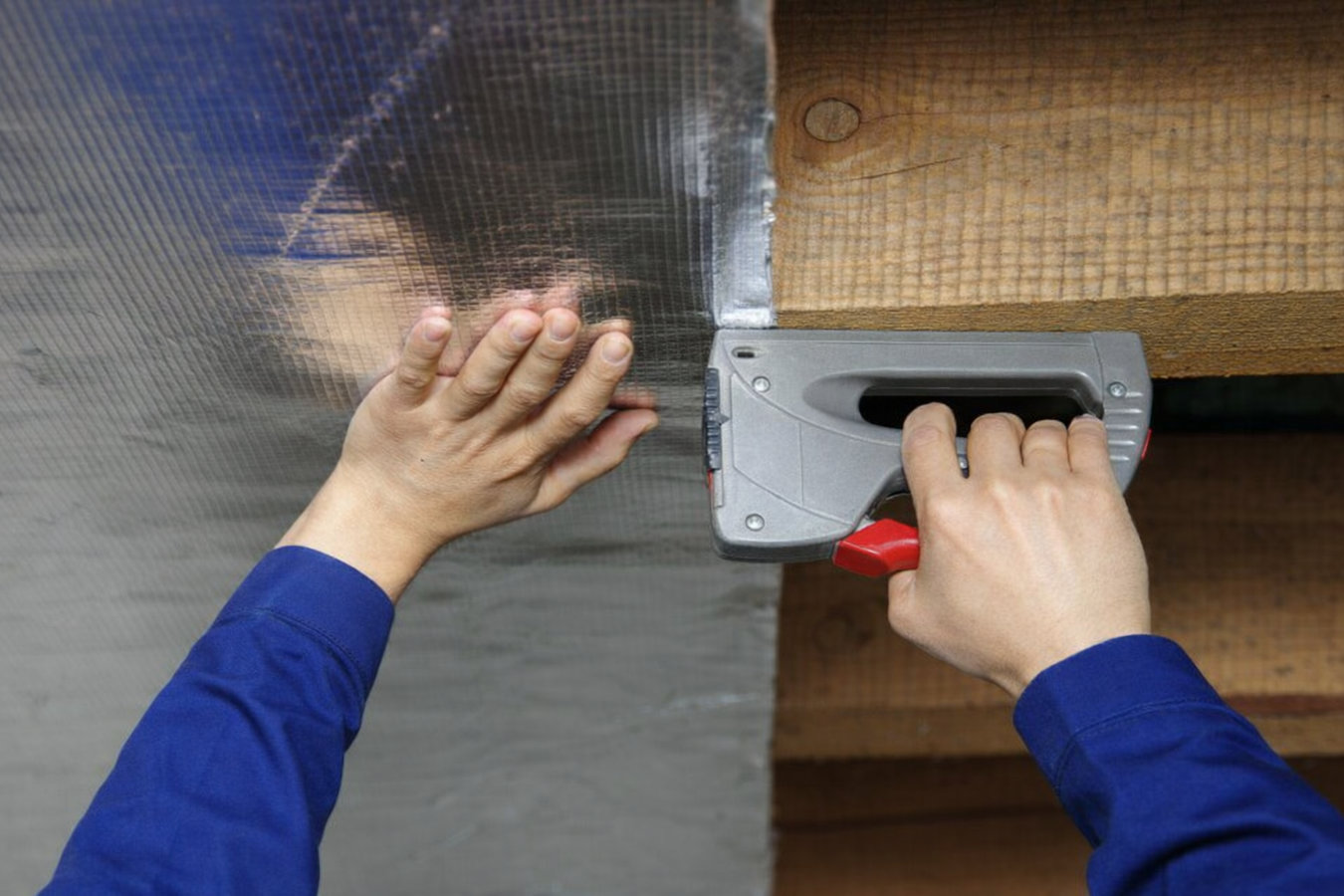
The crew enters the crawl space, removes any old or damaged material, and cleans up the surface before laying the new barrier. We overlap the sheets, tape the seams flat, and run the edges up the foundation walls to create a complete seal. Most jobs are finished in a single day, though larger or more complicated spaces may take two.
Once the work is done, we walk you through what was completed - either by showing you photos from inside the crawl space or by walking you through in person. We point out what was found, what was installed, and anything else you should be aware of. This is the right time to ask any remaining questions.
There is no curing or drying period to wait for - the barrier is effective immediately. You may notice a reduction in musty smells within a few days as the crawl space dries out. It is a good idea to check on the barrier once a year, especially after a wet spring, to make sure nothing has shifted or been disturbed.
We respond within 1 business day. There is no obligation - after you submit, someone from our office will call to schedule a free on-site estimate at a time that works for you. We inspect the crawl space, tell you exactly what we find, and give you a written quote before any work begins.
(701) 291-0855Mandan's freeze-thaw cycle puts constant pressure on anything covering the crawl space floor. We install heavier-duty barrier material - typically 10 to 20 mils thick - that holds up through repeated seasonal stress without developing gaps where moisture sneaks through.
A well-installed barrier has no gaps, no loose edges, and overlapping seams that are taped down flat. When the job is done, you should be able to walk through the crawl space and see a continuous, smooth surface with no exposed soil anywhere.
After the on-site assessment, we provide a written quote that specifies the material, the area covered, and the total price. You know exactly what you are agreeing to before any work begins - no add-ons, no undisclosed fees after the job is done.
We respond to every inquiry within one business day. After you reach out, someone from our office calls to schedule a free on-site estimate at a time that works for you - no waiting weeks to get a contractor on the phone.
A significant portion of Mandan's housing was built before vapor barriers were standard practice. The U.S. Department of Energy recommends vapor barriers as one of the most effective steps for improving crawl space performance - particularly in cold, wet climates like North Dakota's.
Attic air sealing pairs well with vapor barrier work - both target moisture and air movement, at the top and bottom of the home.
Learn MoreA crawl space vapor barrier is the ground liner specifically - learn how it works and why the size and condition of your crawl space shapes the scope of the job.
Learn MoreA properly installed vapor barrier is one of the most cost-effective ways to protect your home's structure. Call today for a free on-site estimate - we respond within 1 business day.