
Loading...
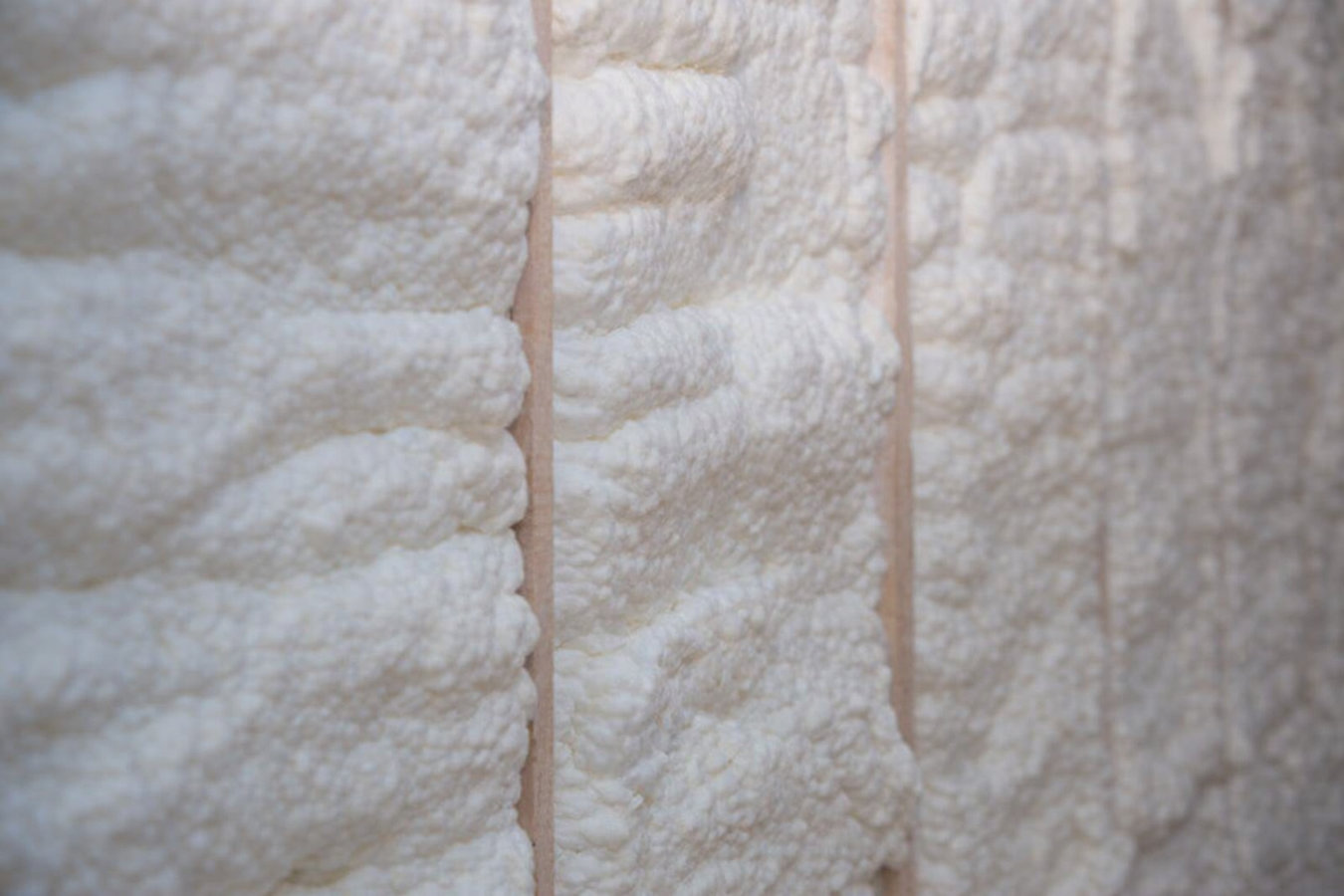
Old insulation lets cold air in and heat out. Open-cell foam seals every gap and insulates at the same time, so your home stays warm without your furnace running all winter.
Old insulation lets cold air in and heat out. Open-cell foam seals every gap and insulates at the same time, so your home stays warm without your furnace running all winter.
Open-cell foam insulation in Mandan, ND is sprayed as a liquid that expands quickly to fill every gap and crack before hardening into a lightweight foam - insulating and air-sealing at the same time, with most single-area residential jobs completed in one day.
The reason it matters so much here is the climate. Mandan winters routinely push well below zero, and a home with gaps in its insulation does not just feel cold - it bleeds heat fast enough to make your furnace work overtime from November through March. Traditional insulation like fiberglass batts slows heat transfer, but it cannot seal the air leaks that let cold in. Open-cell foam does both at once. Many homeowners in Mandan pair open-cell foam with commercial insulation projects or use it alongside spray foam insulation in areas where a denser product makes more sense.
If your home was built before the 1980s - common in Mandan - there is a real chance it was insulated to standards that look very thin by today's expectations. Open-cell foam is one of the most effective ways to close that gap without tearing open walls or undertaking a full renovation.
If your gas or electric bill has crept up year over year and you have not added appliances or changed how you use your home, your insulation may be losing its effectiveness. In Mandan's long heating season, even a modest drop in performance can add up to hundreds of dollars in wasted energy. This is one of the clearest financial signals that something is wrong with your home's thermal envelope.
When Mandan temperatures drop to single digits or below - which happens regularly from December through February - a well-insulated home should feel consistently warm from room to room. If you notice cold air coming in around electrical outlets, along exterior walls, or near the ceiling in upstairs rooms, those are signs of air leaks that insulation alone is not addressing. Open-cell foam seals those gaps at the same time it insulates.
If you can safely look into your attic and the insulation looks compressed, patchy, or has dark streaks running through it, it is likely not performing well. Dark streaks are a sign that air has been moving through the insulation, carrying dust with it - which means the material is not stopping airflow the way it should. This is especially common in Mandan homes built before the 1990s.
Floors above unheated spaces - like a garage or an uninsulated crawl space - are notorious cold spots in older Mandan homes. If one room is always noticeably colder than the rest of the house in winter, the floor beneath it is likely under-insulated or not insulated at all. Spray foam applied to the underside of that floor or to the crawl space walls can make a dramatic difference in comfort.
Open-cell foam is one of the most versatile insulation materials available, and we install it throughout homes in Mandan wherever it fits the situation. The most common applications are attics, crawl space walls and floors, basement rim joists, and interior wall cavities. In attics, foam can be sprayed directly to the underside of the roof deck - creating a sealed attic that keeps mechanical systems above the thermal envelope. In crawl spaces, it stops cold air from migrating up through your floors. If you are also looking at solutions for your business or commercial property, we handle commercial insulation as well, using the right product for each application.
For homeowners weighing their options, it helps to understand how open-cell foam compares to its denser counterpart. Both are spray-applied and seal air leaks, but they differ in density, cost, and vapor management. Open-cell foam is softer, lighter, and less expensive. In some parts of a home - particularly below-grade or in very exposed locations - a denser product like spray foam insulation may be the better call. We walk every homeowner through the options specific to their home's construction and location so you are not guessing.
Ideal for homes wanting a sealed attic that protects ductwork and mechanical systems from extreme cold. Sprayed to the underside of the roof deck.
Best for homes where cold air migrates up from below, making floors uncomfortable in winter. Seals and insulates the crawl space perimeter or underfloor area.
Well-suited for basement rim joists, one of the biggest sources of air infiltration in older Mandan homes. Foam fills every gap around the sill plate and rim.
A good fit for new construction or renovations with walls open. Provides insulation and sound dampening in interior and exterior wall assemblies.
Mandan sits in a climate zone where winter temperatures regularly drop below -20 degrees F, and the heating season stretches from October through April. That sustained cold puts enormous pressure on any insulation system - gaps and thin spots that might go unnoticed in a milder climate show up immediately as high heating bills and cold spots here. A significant portion of Mandan's housing was built before modern insulation standards were established, with many homes from the 1950s through the 1970s that were insulated with materials now decades past their useful life. Open-cell foam's ability to seal air leaks at the same time it insulates makes it particularly well matched to the homes and conditions common in this area. The region's repeated freeze-thaw cycles also make airtight installation important - any gap that allows air movement can become a moisture problem over time.
We install open-cell foam insulation throughout the Mandan area and surrounding communities. Homeowners in Bismarck, ND face the same cold-climate challenges across the river - older housing stock, long heating seasons, and the same demand for insulation that actually seals the building envelope rather than just slowing heat transfer. In Lincoln, ND newer construction sometimes has its own gaps worth addressing before a first hard winter makes them obvious. Wherever your home is, the goal is the same: a building that holds heat without making your furnace work overtime.
When you reach out, we will ask a few basic questions - what part of the home you want insulated, roughly how old the house is, and whether you have noticed drafts or high bills. We respond to every inquiry within one business day. Most contractors in this area offer free estimates, and the first visit typically takes 30 to 60 minutes.
We walk the areas being insulated, take measurements, and check for any moisture issues or structural concerns that need to be addressed before foam goes in. At the end of the visit you receive a written quote broken down by area and thickness - no guessing on price.
We give you a clear prep list before installation day. In general, you will need to clear the work area and make sure the crew has unobstructed access to every surface. Plan to stay out of the treated space for a few hours after spraying while the foam fully cures.
The crew arrives, protects any surfaces that should not get foam, and sprays in passes to build the foam up to the right thickness. Most single-area jobs are done in a few hours. Before we leave, we walk you through the completed coverage so you can see with your own eyes that every surface is covered to the thickness you were quoted.
We offer free on-site estimates with no obligation. Most Mandan homeowners hear back within one business day.
(701) 291-0855Spray foam in a North Dakota winter is not the same job as spray foam in a warmer state. We understand vapor management, required thickness, and how open-cell foam behaves in sustained cold - and we select the right product and approach for each specific location in your home. That knowledge protects your investment long-term.
We walk every homeowner through the completed installation before the crew leaves the site. You can see the coverage yourself and confirm it meets what was quoted. You should not have to take the quality of spray foam work on faith - it should be visible and verifiable, and we make sure it is.
Our quotes break down cost by area and thickness - not a single lump sum that hides what you are actually getting. That format makes it easy to compare us against other contractors and to hold us to what we promised once the work begins. No surprises after the job is done.
We have worked on homes throughout Mandan and the surrounding region, from older ranch houses near downtown to newer builds on the west side of the city. Local experience means we know the housing stock, the climate demands, and the specific challenges that show up in North Dakota homes - not just insulation in the abstract. The Spray Polyurethane Foam Alliance sets the industry standards we work to on every job.
These are not talking points - they are the things that determine whether a spray foam job is still performing correctly five or ten winters from now. We back every project with a walkthrough that lets you confirm the work before we leave.
More questions? The U.S. Department of Energy and the Building Performance Institute are two trusted sources for homeowner guidance on spray foam and building performance.
Insulation for commercial buildings and business properties throughout the Mandan area, using the right product and method for each application.
Learn MoreSpray foam solutions including closed-cell options for below-grade, high-moisture, or structurally demanding applications.
Learn MoreSpots fill up before the cold season - call now or submit a request online and we will get back to you within one business day.