
Loading...
Mandan Insulation serves Flasher, ND as an insulation contractor for the older owner-occupied homes on the Missouri Coteau, providing home insulation, spray foam, attic upgrades, and crawl space insulation for houses built before 1970 that lose heat through under-insulated attics, exposed rim joists, and unprotected crawl space floors. We make the drive out to Flasher, respond within one business day, and give you a written quote before any work starts.
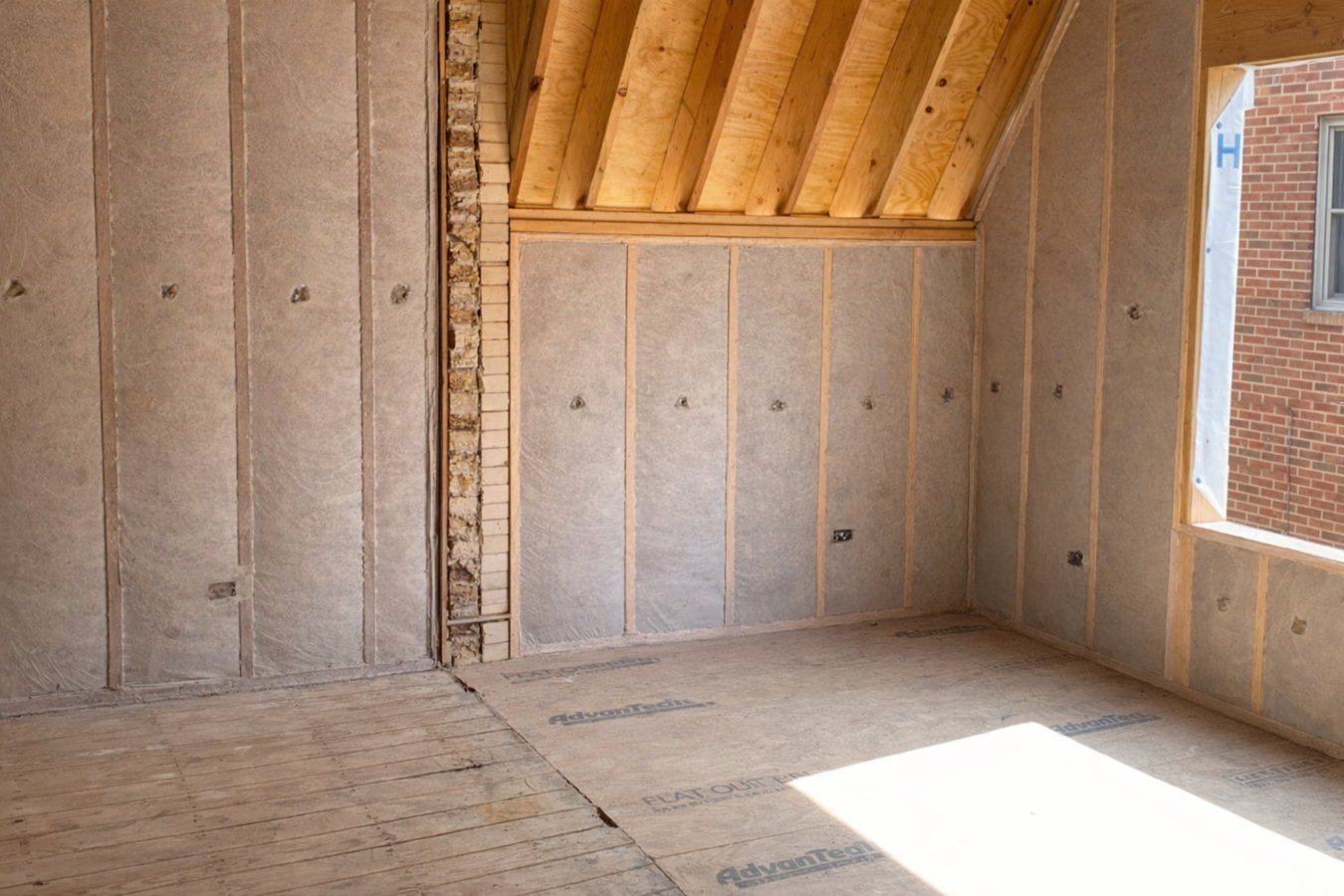
Flasher homes built before 1970 were constructed long before Climate Zone 6 energy codes established R-49 attic minimums and required air sealing at penetrations. Our home insulation work addresses the full thermal envelope - attic, rim joists, crawl spaces, and basement walls - prioritized by the areas that produce the most measurable improvement for the budget spent in this climate.
Wind is a constant factor on the Missouri Coteau, and older Flasher homes with uninsulated rim joists and sill plate gaps feel it directly under the floor. Closed-cell spray foam applied to the rim joist seals wind-driven air infiltration and adds meaningful R-value in the same step - the single highest-return improvement available for most homes of this age in this exposed location, often noticeable within the first heating season.
Flasher sits in a part of North Dakota where January temperatures regularly drop well below zero and the heating season runs from October through April. An attic below R-49 allows heat to escape through the ceiling all winter, and in a community where most homes are older and home values are modest, the savings from a properly insulated attic add up in a meaningful way every month the furnace runs.
Some Flasher homes have crawl spaces rather than full basements, and an uninsulated crawl space floor and walls allow ground cold and moisture to move directly into the living space above. Frost depth in Morton County reaches four feet or more, and the clay soils common in this region hold moisture through the spring - both factors that make a properly insulated and vapor-sealed crawl space especially important for homes in this area.
Ground moisture migration into crawl spaces is a persistent issue for Flasher homes, especially in spring when snowmelt saturates the clay-heavy soils surrounding foundations. A properly installed vapor barrier on the crawl space floor - sealed at the edges and lapped at seams - stops ground moisture from evaporating into the floor system above. Paired with crawl space insulation, it protects both the structural framing and the thermal performance of the floor assembly.
For Flasher homes with full basements, uninsulated concrete or block foundation walls transfer cold from the surrounding frozen soil directly into the floor structure above through the entire heating season. Interior basement wall insulation - spray foam against the concrete face or framed batts - breaks that thermal bridge and makes first-floor rooms measurably warmer without adding bulk to the exterior of the house.
Flasher is a small city of around 250 to 300 people in southwestern Morton County, located on the Missouri Coteau - a high, rolling plateau known for persistent winds and wide temperature swings. The town sits about 60 miles southwest of Bismarck, and most residents drive to Mandan or Bismarck for major services, which means local contractors willing to make the trip matter more here than in a larger community. The housing stock in Flasher is almost entirely single-family detached homes, the majority of which were built before 1970. These are wood-frame structures on individual lots, built to the practical standards of the farming era, not to the Climate Zone 6 performance requirements that apply to construction today. An older Flasher home at R-19 in the attic - common for the era - loses heat at a rate that modern Climate Zone 6 guidance addresses with R-49 to R-60 coverage. The gap between what these homes were built with and what the climate demands of them is exactly where insulation investment pays the most.
The Missouri Coteau presents specific challenges that a contractor working only in larger cities may not understand. Clay-heavy soils in this part of Morton County expand when wet and shrink when dry, and the freeze-thaw cycle runs from October through April - conditions that put ongoing pressure on foundation walls and concrete flatwork. Homes in Flasher deal with wind-driven moisture infiltration on exposed sides, and many have crawl spaces where ground moisture is a persistent issue in the spring. An insulation contractor serving Flasher needs to think about moisture management alongside thermal performance, particularly for rim joists and crawl space assemblies, where the two problems overlap.
Our crew works throughout Flasher regularly, and we understand the local conditions that affect insulation work here. Homes in Flasher are predominantly older wood-frame structures - many from the homesteading and early farming era - that have accumulated decades of patches, re-siding, and partial updates without a systematic look at the thermal envelope. When we assess a Flasher home, we expect to find little or no insulation in the rim joist, an attic that has not been touched since the original construction, and in some cases a crawl space with no vapor barrier on the ground. These are not failures of the homeowner - they are the predictable condition of homes this age in this climate, and they are exactly the kind of projects we know how to work through.
Flasher sits in Morton County, about 60 miles southwest of Bismarck along ND Highway 6. The community is centered around Flasher Public School, which serves K-12 students from the town and surrounding rural area and is the primary institution connecting the community. The rolling Missouri Coteau landscape means properties on the edges of town can have wind exposure on multiple sides, which we factor in when scoping rim joist and exterior penetration work. Permits and building records for Flasher are handled through Morton County in Mandan.
We serve Flasher and the surrounding communities, including Mandan, ND to the northeast and Hebron, ND to the north - Morton County communities where older housing stock faces the same Climate Zone 6 demands.
Call or submit a request online and we follow up within one business day. We will ask a few questions about your home - age, what you have noticed about heating costs or cold areas - so we can come prepared for the site visit rather than discovering everything for the first time at your door.
We drive out to Flasher and inspect your attic, rim joists, crawl space or basement, measuring actual installed R-values and checking for air leak locations. You receive a written quote with line-item costs before any commitment - no pressure to proceed on the visit day and no charges added later that were not in the quote.
Most Flasher jobs are finished in one day. Spray foam applications require the work area to be clear during application and through a short cure period. Blown-in attic work allows you to remain in the home. We cover all of this during scheduling so there are no surprises on the day of installation.
When the work is done, we walk through what was installed, explain what was done and why, and answer any questions. You can reach us by phone after we leave if anything comes up. We do not consider the job finished until you are satisfied with what was completed.
We make the drive out to Flasher and serve the surrounding Morton County area. Call or submit a request and we follow up within one business day with a no-obligation written quote.
(701) 291-0855Flasher is a small city of around 250 to 300 people in southwestern Morton County, located on the Missouri Coteau approximately 60 miles southwest of Bismarck. The town grew up as a farming and ranching community, and agriculture remains the backbone of the local economy - wheat, sunflowers, and cattle are the primary products in this part of the county. Most residents are long-term homeowners with deep ties to the area rather than renters passing through, which means the homes here are properties people plan to keep and maintain for decades. The housing stock reflects the town's age: nearly all homes in Flasher are single-family detached structures built before 1970, many on lots with a detached garage or outbuilding. For community information and local government contacts, the Morton County government handles permit and building records for Flasher.
The Missouri Coteau landscape gives Flasher its character - rolling hills, wide open views, and the persistent wind that defines life on this part of the Northern Plains. Nearby communities in Morton County face similar housing and climate challenges, including Mandan, ND to the northeast and Hebron, ND to the north - older communities where insulation improvements deliver consistent returns against the demands of a Climate Zone 6 winter.
Creates an airtight seal that dramatically cuts heating and cooling costs.
Learn MoreKeeps your home comfortable year-round by stopping heat loss through the roof.
Learn MoreFills gaps evenly in attics and walls for consistent, effective coverage.
Learn MoreSafe removal of old or damaged insulation before new installation begins.
Learn MoreProtects floors and pipes from cold while improving whole-home efficiency.
Learn MoreHigh-density foam that provides superior R-value and moisture resistance.
Learn MoreFlexible, affordable foam insulation ideal for interior walls and ceilings.
Learn MoreEnergy-efficient insulation solutions tailored to commercial buildings.
Learn MoreBlocks ground moisture to protect your home from mold and structural damage.
Learn MoreProfessional vapor barrier installation for walls, floors, and crawl spaces.
Learn MoreWe serve Flasher and all of Morton County. Call or request a quote online and we will respond within one business day with a written estimate before any work starts.